
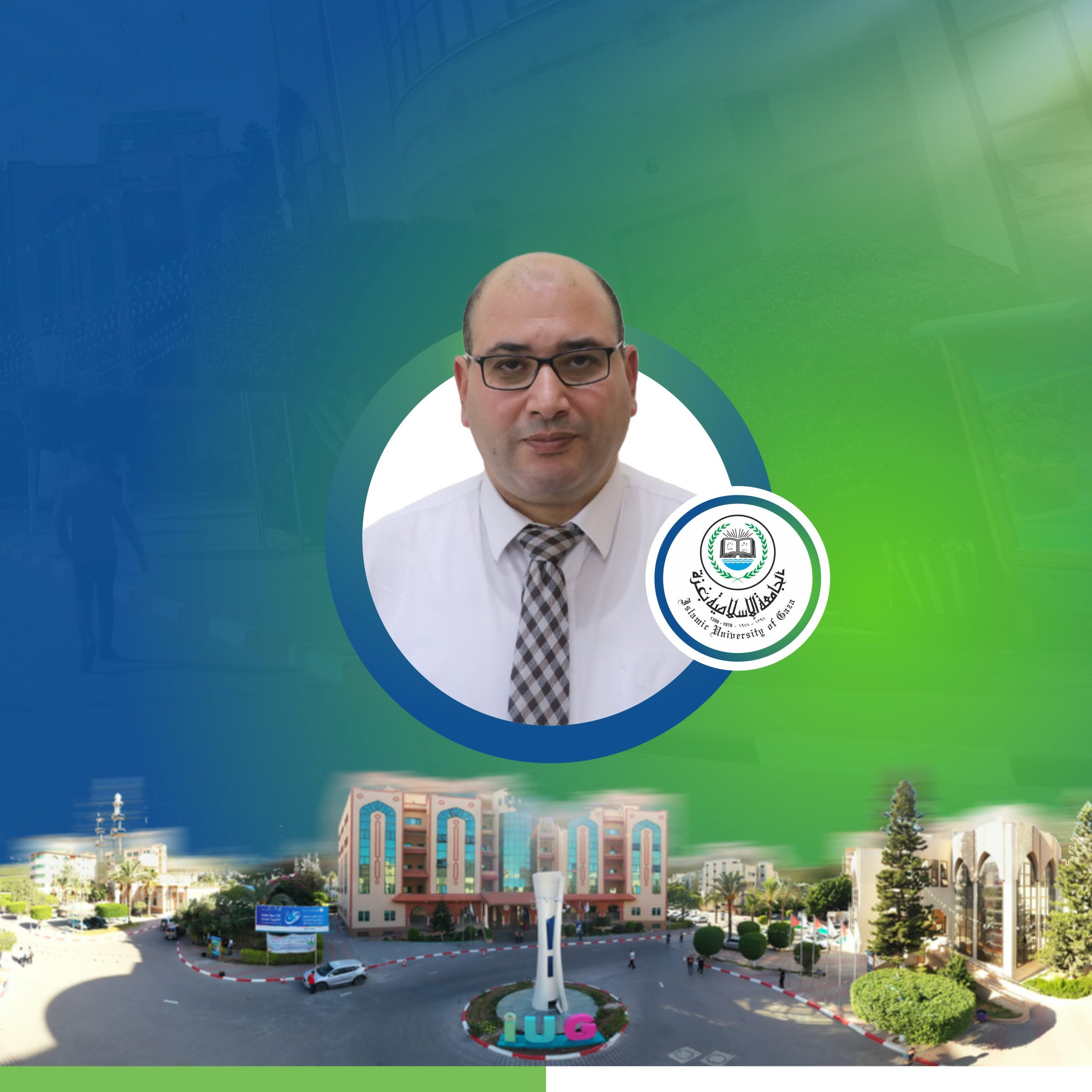
During the past few months, Dr. Hani Ferwanah, Deputy Dean of the Faculty of Medicine for Basic Stage Affairs at the Islamic University, has conducted laboratory experiments in the Department of Pharmacology at the University of Oxford. The experiments aimed to investigate molecular and signaling mechanisms associated with Niemann Pick Disease Type C1 (NPC1) via related cells, genetically modified with CRISPR CAS9 technology, to mimic the molecular phenotype of the disease, which belongs to the class of lysosomal storage diseases of inborn errors of metabolism.
The preliminary results of the experiments are promising and open up a new research window beyond NPC 1 to other neurodegenerative diseases. They are also expected to pave the way for research partnerships with internationally reputable scientific groups.
It is worth mentioning that this research was funded by the Daniel Turnberg Foundation and was integrated with other research on cancer cells conducted by Dr. Ferwanah and funded by the fellowship grant in its seventh session in 2018.
